
How to Remove Red Wine Stains From Clothes and Fabric
Blot, salt, cool water, then a vinegar and detergent soak. Step-by-step red wine stain removal for cotton, synthetics and silk, plus what not to do.
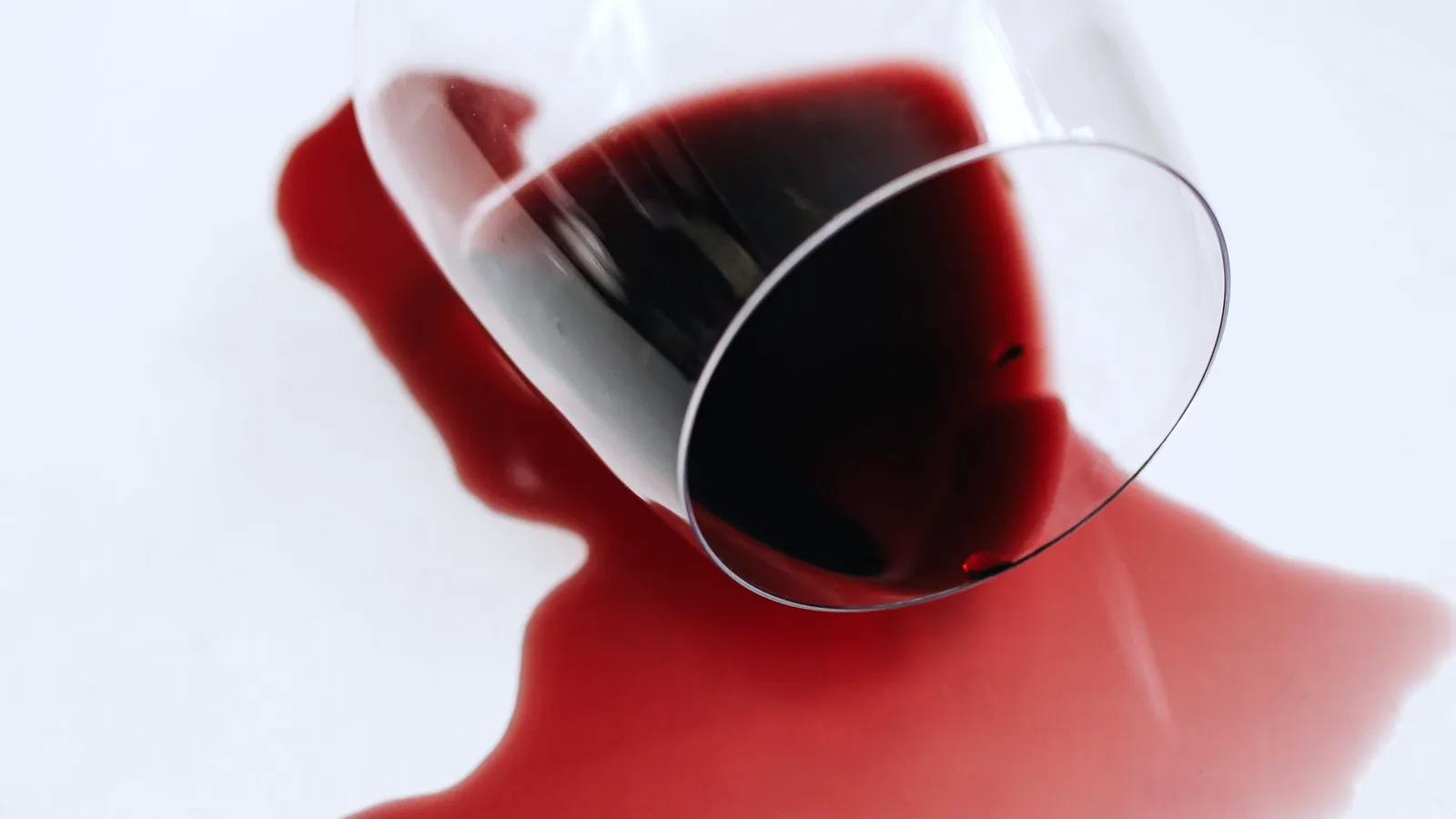
To remove a red wine stain, blot up the wine, sprinkle the fresh stain with table salt, sponge it with cool water or club soda, then soak the garment for 15 minutes in warm water with a little detergent and white vinegar. Rinse, check, and repeat before any heat touches it. If a mark is left, sponge with rubbing alcohol (test first) and wash.
By Talal Junaid, who runs a pickup-and-delivery laundry in Barcelona. Updated 17 November 2026.
What kind of stain is red wine?
Red wine is a tannin stain, the same family as coffee and tea. Tannin stains respond to detergent, water and, when the fabric allows, bleach. The sources do not fully agree on water temperature, and that is worth knowing before you start.
Where the sources disagree. University of Georgia Extension starts with cool water and a salt-and-vinegar soak (UGA). University of Kentucky Extension lists wine, coffee and tea together as tannin stains and suggests a detergent wash in hot water, as safe for the fabric (UKY). We suggest cool water first, then a wash at the warmest temperature the care label allows, which fits both.
How to remove a fresh red wine stain
- Blot with a clean white cloth or paper towel. Press down; don't rub, because rubbing spreads the wine.
- Sprinkle table salt on the wet stain. UGA lists salt for fresh wine.
- Sponge with cool water (or club soda) and blot again.
- Soak for 15 minutes in 1 quart (about 1 litre) of warm water with half a teaspoon of detergent and 1 tablespoon of white vinegar.
- Rinse thoroughly.
- If a mark remains, sponge with rubbing alcohol, rinse, then wash with a bleach safe for the fabric. Alcohol can lift dye as well as wine, so test it on a hidden seam first.
- Wash and air-dry. Check the spot before using the dryer.
Rinse out the vinegar before using any bleach. Never mix bleach with vinegar or ammonia: the gas that forms is toxic (Health Canada).

What about old or dried red wine?
The same steps apply, but start with the soak in step 4 and give it longer. Old wine stains come out less reliably, and we cannot promise a result. If the stain has been washed and dried already, read how to get stains out after drying.
What NOT to do
Do not: - Put it in the dryer or iron it before the stain is gone. Heat sets it. - Rub. It pushes wine deeper into the fibre. - Reach for untested tricks. Stick to the steps above. - Use chlorine bleach on silk, wool or spandex, or on coloured fabric without a hidden-seam test. - Mix cleaning products. Rinse between each one, and ventilate the room.

Fabric notes
Cotton and linen. Handle the soak and the bleach step well. On white cotton, an oxygen bleach is a safer second step than chlorine.
Polyester and other synthetics. Same method, but check the label before using hot water.
Silk and wool. Blot, then take it to a professional. University of Kentucky and Texas A&M guidance rule out chlorine bleach on these fibres, DLI says never to rub silk, and enzymes can damage them. Do not try the alcohol step at home.
Tablecloths and upholstery. Check the label. Sofas and carpet need cleaning methods that are not covered here.
In our laundry, we always check the label and test a hidden seam before applying anything, because wine is one of the stains where the fix can do more harm than the stain.
FAQ
Does salt really remove red wine? Salt on a fresh stain is listed by University of Georgia Extension as a first step. It helps absorb wine before you sponge with cool water, but it is not a full treatment alone.
Does white wine remove red wine stains? We have no university or industry source for it, so we do not recommend it. Use cool water or club soda.
Can you get red wine out after it has dried? Sometimes. Use the soak and the alcohol or oxygen bleach steps. The longer the wine sits, and the more heat it has seen, the less likely it comes out.
Is cold or hot water better for red wine? Start cool. Wash at the warmest temperature the label allows. University of Georgia starts cool; University of Kentucky recommends a hot detergent wash for tannin stains where the fabric can take it.
Can I use hydrogen peroxide on red wine? The sources we checked list it for dye stains such as mustard, not for wine, so we do not include it here.
What if the garment is silk or "dry clean only"? Blot, do not treat it, and take it to a professional, and tell them it is wine.
Stain still there?
Ask a professional laundry near you. Our laundry care guides cover other common stains step by step.
Sources
- University of Georgia Extension, Stain removal: alcoholic beverages, wine (updated 3 Sept 2024)
- University of Kentucky Extension, HE 2-840 Stain Removal for Washable Fabrics (tannin stains)
- Texas A&M AgriLife, Quick Stain Removal Guide L-5199
- Drycleaning & Laundry Institute, A guide to home stain removal
- Health Canada, Never mix bleach with other cleaning products
More laundry care
- 5 min read
How to Get Blood Out of Clothes (Fresh and Dried)
Rinse in cold water, work in soap, then use enzyme pre-soak or 3% hydrogen peroxide for old stains. Step-by-step blood removal with what never to do.
- 5 min read
How to Get Stains Out After the Dryer (Set-In Stains)
Can you remove a stain that went through the dryer? Repeat the right method, try an oxygen bleach soak, then stop and see a professional. Honest odds.
- 4 min read
How to Remove Deodorant Stains and Yellow Underarms
Rub in dish liquid, wash, then oxygen bleach or hydrogen peroxide. How to remove white deodorant marks and yellow underarm stains, black shirts included.

Run a laundry? See LaundryFuture, the system for laundry owners