
How to Get Blood Out of Clothes (Fresh and Dried)
Rinse in cold water, work in soap, then use enzyme pre-soak or 3% hydrogen peroxide for old stains. Step-by-step blood removal with what never to do.
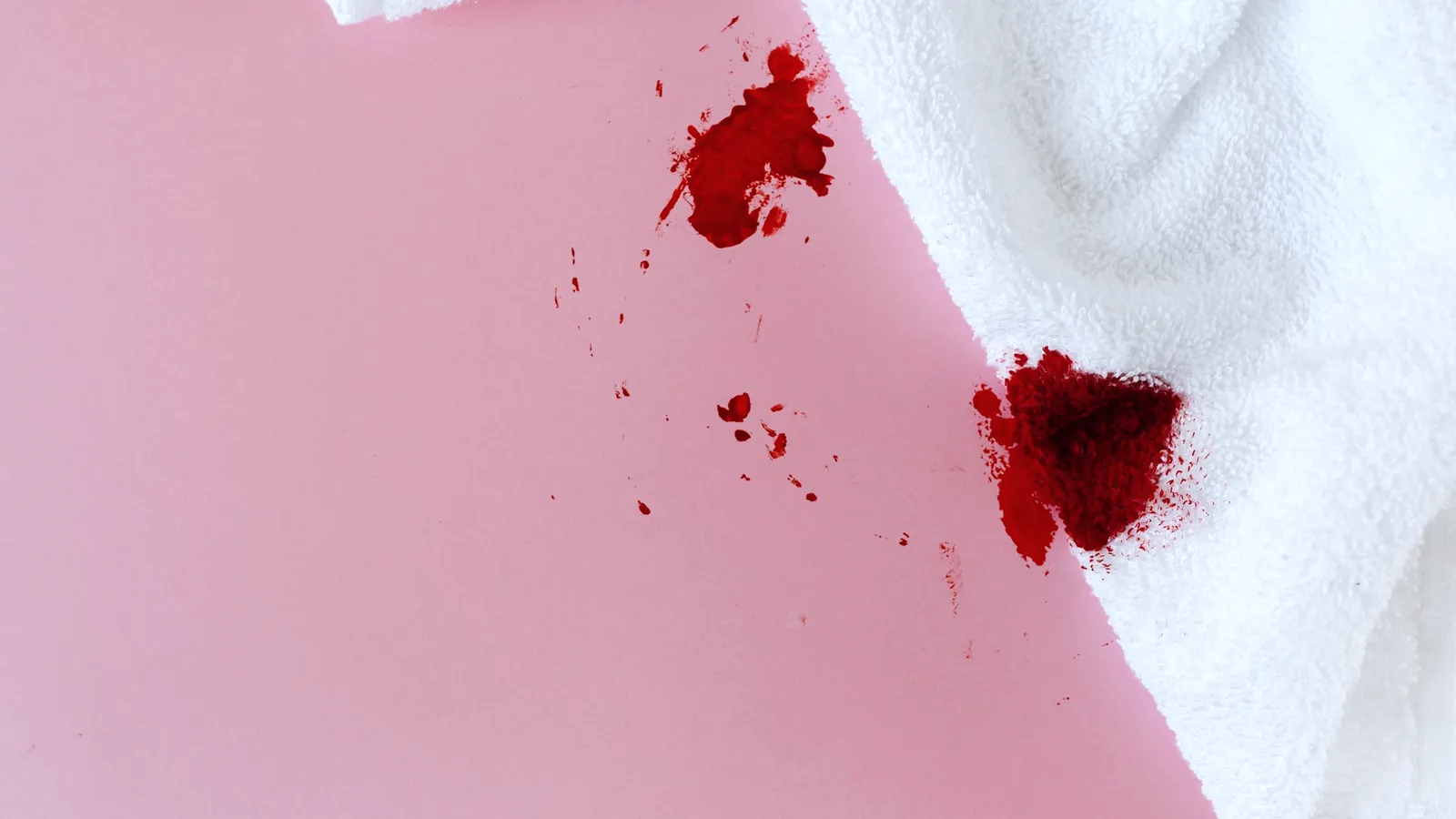
To get blood out of clothes, rinse the stain in cold running water straight away, rub in bar soap or liquid laundry detergent, rinse, and repeat until it fades. For dried blood, soak in cool water, then in lukewarm water with an enzyme pre-soak, and only then try a few drops of 3% hydrogen peroxide. Never start with hot water: it cooks the protein in blood and sets the stain.
By Talal Junaid, who runs a pickup-and-delivery laundry in Barcelona. Method checked against university extension and industry guides (listed at the end). Updated 17 November 2026.
Why blood needs cold water
Blood is a protein stain. University of Kentucky Extension classes it with other protein stains and warns that hot water sets them, because heat cooks the protein into the fibre (UKY HE 2-840). That one fact decides the whole method: cold first, heat last.
How to remove a fresh blood stain
- Read the care label and test any product on a hidden seam first. Wait about five minutes, rinse, and stop if the colour changes (DLI).
- Hold the stain under cold running water, with the back of the stain facing the tap so the blood is pushed out, not through.
- Rub in bar soap or liquid laundry detergent with your fingers. Rinse and repeat.
- Check the stain while the fabric is still wet. If any pink remains, repeat steps 2 and 3.
- Wash as normal only once the stain is gone, using the warmest water the label allows.
- Air-dry first. Check the spot in daylight. Do not put it in the dryer until you are sure.
These steps follow the University of Georgia Extension blood entry, last updated in September 2024 (UGA).

How to remove dried or old blood stains
- Soak the garment in cool water for at least 30 minutes.
- Move it to lukewarm water with an enzyme pre-soak for another 30 minutes or more. Enzymes break proteins down, which is why they suit blood.
- If a mark remains, put a few drops of 3% hydrogen peroxide on it for one to three minutes, then rinse very well and wash. Use the pharmacy-strength 3% solution only. The University of Kentucky warns against the stronger solution sold for bleaching hair.
- Wash, then air-dry and check before any heat.
Test peroxide on a hidden seam first, because it can lighten dyed fabric.
What NOT to do
Do not: - Start with hot water. It sets blood. - Put the garment in the dryer or touch it with an iron until the stain is completely gone. Heat makes any leftover stain permanent. - Rub hard. Blot and press instead, especially on delicate fabric. - Mix products. Rinse out one product before using another. Never mix bleach with ammonia or vinegar: it releases toxic gases (Health Canada). - Use chlorine bleach on silk, wool or spandex.

Fabric notes
Cotton and linen. The most forgiving. Cold rinse, soap, enzyme soak and, if the fabric is white or colourfast, the peroxide step all work.
Polyester, nylon and other synthetics. Same cold-first method. Synthetics often release a fresh stain easily, but they can hold on to a dried one. Do not use a hot iron or hot dryer to check your result.
Wool and silk. University of Kentucky advises no enzyme pre-soaks and no chlorine bleach on silk or wool, since enzymes digest protein and wool and silk are protein fibres. Dry Cleaning and Laundry Institute (DLI) guidance says never to rub a stain on silk. Blot with cold water only and take it to a professional.
Leather, suede, fur, "dry clean only". Do not treat these at home. Go straight to a professional.
In our laundry, we tell customers that a stain is easier to remove on the day it happens than a week later, and that is the one piece of advice that makes the most difference.
When to take it to a professional
Take it in if the stain is large, the garment is silk, wool, leather or "dry clean only", the piece is valuable or sentimental, or you have already tried the steps above and the stain is still there. Tell the cleaner what the stain is and what you used. That information helps them avoid a reaction between products (DLI).
FAQ
What is the best way to get blood out of clothes? Cold running water, then bar soap or liquid detergent, repeated until the stain fades. Add an enzyme pre-soak or 3% hydrogen peroxide for old stains.
Does hydrogen peroxide get blood out of clothes? It can on old stains, used as a few drops for one to three minutes after the soap and enzyme steps. Use 3% pharmacy strength, rinse thoroughly, and test for colour loss first.
Can you get dried blood out of clothes? Often, but not always. Soak in cool water, then in lukewarm water with an enzyme pre-soak, each for at least 30 minutes. Stains that have already been through a hot wash or the dryer are much harder.
Why should blood never meet hot water? Blood is a protein, and heat cooks proteins onto the fibre.
How do you get blood out of white sheets or a mattress cover? Washable sheets follow the same cold-water method. For a mattress itself, which cannot be soaked, follow the manufacturer's care instructions.
Is it safe to use bleach on blood stains? Use an oxygen bleach if you need one, and chlorine only if the label allows. Never combine bleach with ammonia or vinegar.
Stain still there?
Ask a professional laundry near you. You can also see our laundry care guides for other common stains.
Sources
- University of Georgia Extension, Stain removal: blood (updated 3 Sept 2024)
- University of Kentucky Extension, HE 2-840 Stain Removal for Washable Fabrics
- Drycleaning & Laundry Institute, A guide to home stain removal
- New Mexico State University, Guide C-502 Removing Clothing Stains
- Health Canada, Never mix bleach with other cleaning products
More laundry care
- 5 min read
How to Get Stains Out After the Dryer (Set-In Stains)
Can you remove a stain that went through the dryer? Repeat the right method, try an oxygen bleach soak, then stop and see a professional. Honest odds.
- 4 min read
How to Remove Deodorant Stains and Yellow Underarms
Rub in dish liquid, wash, then oxygen bleach or hydrogen peroxide. How to remove white deodorant marks and yellow underarm stains, black shirts included.
- 4 min read
How to Remove Grease and Oil Stains From Clothes
Work dish liquid or heavy-duty detergent into the stain, wash hot, check before drying. Step-by-step grease and cooking oil removal, plus what to avoid.

Run a laundry? See LaundryFuture, the system for laundry owners