How to start a laundry delivery business: 9 steps
A step-by-step plan to start a laundry pickup and delivery business: model, zones, pricing, booking, drivers and first customers, from a laundry that runs one.
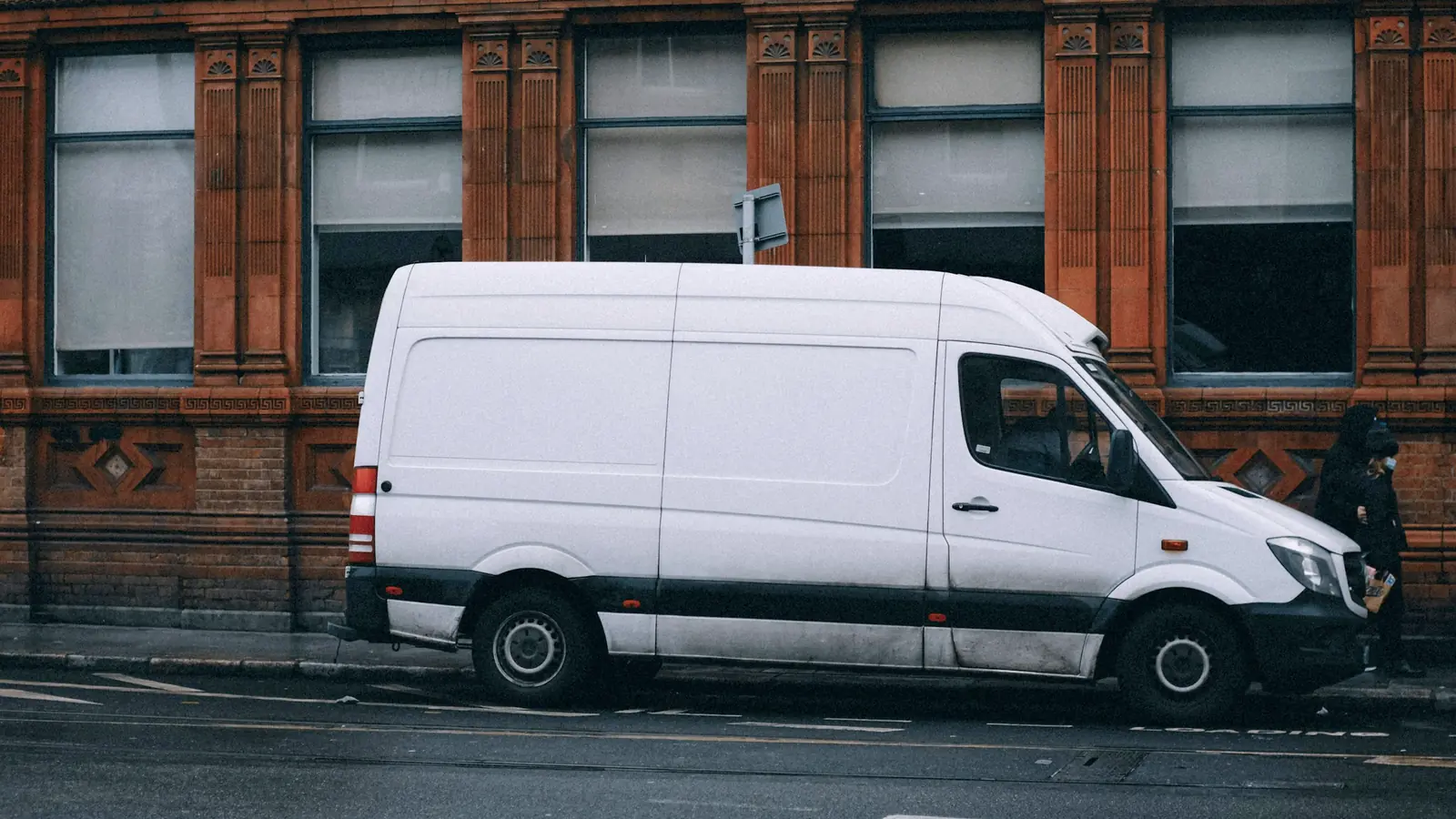
To start a laundry delivery business, choose who washes the clothes, draw a small delivery zone, set a price per bag or per kilo that covers one pickup and one delivery, build a simple booking page, hire or contract one driver, and win your first 20 customers locally before you spend on an app. Most owners can be taking real orders in four to eight weeks if they keep the first version small.
This guide is written by Talal Junaid, who runs HolaWash, a laundry in Barcelona with its own shops, drivers and app. HolaWash has handled more than 20,000 orders. I will tell you what worked, and what we got wrong.
What does a laundry delivery business actually sell?
You sell time. The customer pays to get a Sunday back. The washing machines are the easy part. The hard parts are the promise ("back tomorrow evening"), the van, and getting the customer to order again.
There are three common models:
| Model | Who washes | Good | Watch out for |
|---|---|---|---|
| Add delivery to a shop you own | You | Lowest start-up cost, you already have machines and staff | Shop and van compete for the same people |
| Delivery only, using a partner laundry | A wholesale laundry | Very low equipment cost | Thin margin, quality is not in your hands |
| Marketplace listing | You, orders come from an app | Orders from day one | You do not own the customer (see below) |
Estimates of start-up cost vary a lot between sources. ZenBusiness gives a range of $50,000 to $180,000 for a full operation, while Routific suggests $10,000 to $50,000. The difference is mostly whether you buy equipment and vehicles or reuse what you have. Treat any single number as a rough guide and make your own list. Sources: ZenBusiness, Routific.

Step 1: Pick one model and one neighbourhood
Start where you can reach a customer's door in under 20 minutes. A dense area beats a big area. Every extra kilometre between stops is cost you cannot get back.
At HolaWash we began with one or two zones around our shop and added more only when the first ones ran full. We tried a clever shared-capacity system first. Nobody could explain it in one sentence, so we threw it away.
Step 2: Draw your zones and time windows
A zone is a list of postcodes. For each zone, decide which time windows are open on each weekday and how many pickups and deliveries fit in each window.
- List your postcodes and group them into one or two zones.
- Pick windows, for example morning, afternoon and evening.
- For each window and weekday, write a number of places. One place is one pickup or one delivery.
- Add a cut-off, such as "order before 5 pm for tonight", only if you will truly keep it.
At HolaWash we learned that capacity belongs to the zone, not to a driver. Drivers come and go. Zones stay.
Step 3: Set prices that cover one stop
Your minimum order and delivery fee must pay for one driver stop, or the van eats your margin. Price either per kilo or per bag. Per-bag pricing is easier to explain on a phone screen. Per-kilo is fairer for light loads.
Do three sums before you publish a price:
- Cost of one stop (driver time, fuel, vehicle).
- Cost of washing, drying and folding one bag.
- What your nearest competitor charges. Call two of them and ask.
Never block a customer who is below your minimum. Let them continue and add a "top-up to minimum" line. A red error is a lost order. Once customers come back, read how to price a monthly laundry plan.
Step 4: Build the simplest booking flow that works
A good booking flow has five steps: what you need, address, slots, pay, confirmation. Put the address before the slots, because your slots depend on the zone.
- Offer Apple Pay and Google Pay first. One tap beats typing a card.
- Allow guest checkout. Ask for an account after the first order.
- Show a price estimate before you ask for personal details. In our data, many people who left stopped before the address step.
- Keep words few: label, price, date.
On 21 October 2026 we replaced a working website booking flow for everyone at once. It looked better, and orders per click fell within days. Change a flow for a share of visitors first and compare a full week.
Step 5: Get drivers and keep them simple
Start with one driver, employed or on a contract that is legal where you are. A driver needs a list of stops in time order, the address and phone for that stop only, a way to mark picked up and delivered, and a way to say "customer not in".
Do not give drivers more customer data than the stop needs. Decide in advance what a no-show costs: one free retry or a fee, stated before booking.
Step 6: Check licences, insurance and local rules
Rules differ by country and city, and I am not a lawyer. In the UAE, for example, a consultancy guide says a laundry licence comes from the economic development authority and needs approvals from Dubai Municipality, and Dubai Municipality has issued guidelines on safe use of detergents in laundries. Confirm everything with the official authority, not with a blog. Sources: Shuraa guide (Arabic), Gulf News.
Also check vehicle insurance, goods-in-transit insurance for customers' clothes, and data protection rules for the customer list you will build.
Step 7: Build your customer list from the first order
This is the step most new owners skip, and it is the one that decides if you have a business or a supplier contract. Every order should record who the customer is, how to reach them (with consent) and where they came from.
At HolaWash we call this owning the customer. A marketplace gives you orders, but the customer belongs to the marketplace. If it vanished tomorrow, how many of your customers could you still reach? Read our comparison of your own app and a marketplace for the detail.
Step 8: Win your first 20 customers
- Ask 10 friends and neighbours to try one pickup for a small first-order offer.
- Leave a flyer with a QR code in every bag. Give each QR its own tracked link so you know which one worked.
- Visit hotels, gyms and small offices near your shops. Businesses need steady linen and towels. One of them can equal dozens of households.
- Put your service on Google Maps with real photos and your service area.
Only publish claims that are true today. If you say "back tonight", you must be able to deliver that every time.
Step 9: Look at the numbers every morning
Spend ten minutes each morning on five things: yesterday's orders by source, today's pickups against your zone grid, open problems, new and quiet customers, and follow-ups due. If a number looks odd, check it before the day starts. At the end of one October our counter orders dropped to zero in the reports. The shop was busy. The cause was a change in how orders were entered. We only saw it because we looked.
What should you do first this week?
- Write down your zone, windows and one price.
- Make a booking page or form. A shared form is fine for the first ten orders.
- Do three test pickups with your own clothes and your own card.
- Ask for your first five customers.
The free chapter and the full book Never Rent a Customer walk through this in detail. See the book and the LaundryFuture Academy. If you already run a laundry and want a booking site, branded app and driver tools set up for you, book a 20-minute call.
FAQ
How much does it cost to start a laundry delivery business?
Published estimates range from about $10,000 to $180,000 depending on whether you buy equipment and vehicles. If you already have a laundry, adding delivery can start much lower, because you reuse machines and staff. Make your own list: vehicle, driver, insurance, software, marketing and a cash buffer.
Do I need an app to start?
No. Start with a simple booking page, a customer list and WhatsApp. An app helps once you have repeat customers, because it keeps you on the customer's home screen. The customer list comes first and the app comes last.
Should I charge per kilo or per bag?
Per bag is easier to explain and quote on a phone screen. Per kilo is fairer for light or heavy loads. Many delivery laundries use per bag for the main service and per item for dry cleaning.
How many orders do I need to make delivery profitable?
It depends on your cost per stop and your minimum order. The key is route density: many stops close together. Measure your cost of one stop first, then set your minimum order so that one stop pays for itself.
Can I use a marketplace to get started?
Yes, to fill quiet capacity and test a new area. Use it as a source of first orders and invite those customers to book with you directly next time. Do not depend on it, because you pay a commission on repeat orders and you cannot contact the customer.
- Free sampleThe foreword and two full chapters of the book, by e-mail.
- The book · €29Never Rent a Customer: 13 chapters and a 90-day launch plan.
- Book a 20-min call20 minutes with Talal, with the system running live.
Related articles
- 12 min read
10 mistakes laundry owners make that cost money from day one
Ten costly mistakes in new laundries, from expanding too fast to counting map taps as sales. What each costs, and how to avoid it, from a working owner.
- 11 min read
How to open a laundry in 2027: costs, steps, hidden traps
How to open a laundry in 2027: pick a model, price it with real quotes, check the building, size your machines and avoid the traps most owners meet.
- 4 min read
How much does it cost to open a laundry? Costs by business model
Published start-up cost ranges for a laundromat, a pickup-and-delivery laundry and a home service, plus a cost checklist to build your own number.